

ABOUT Kenya
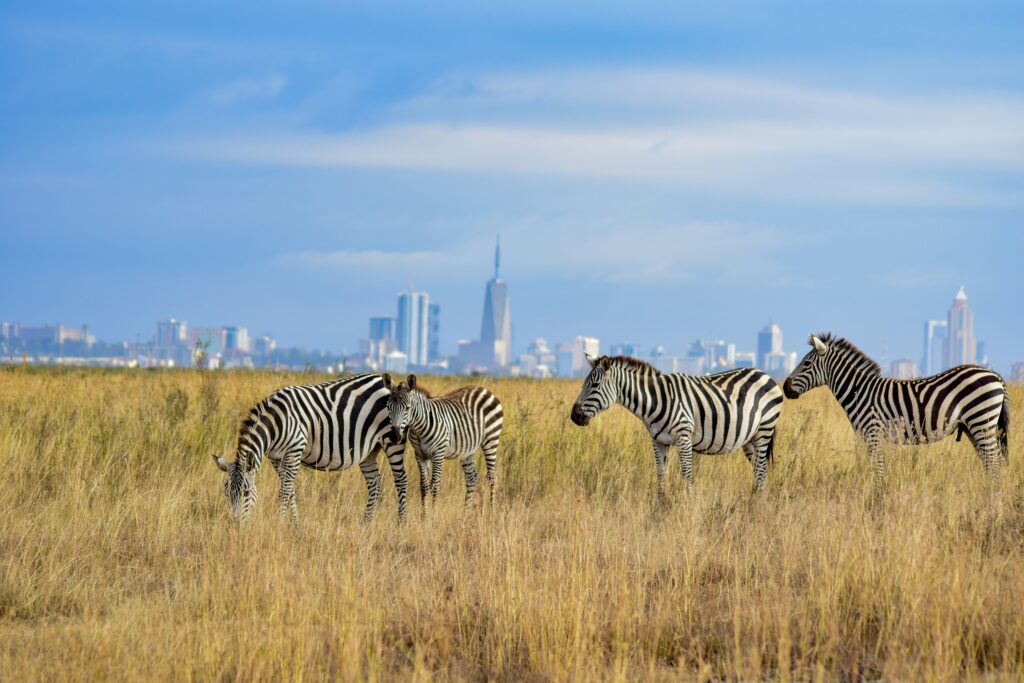
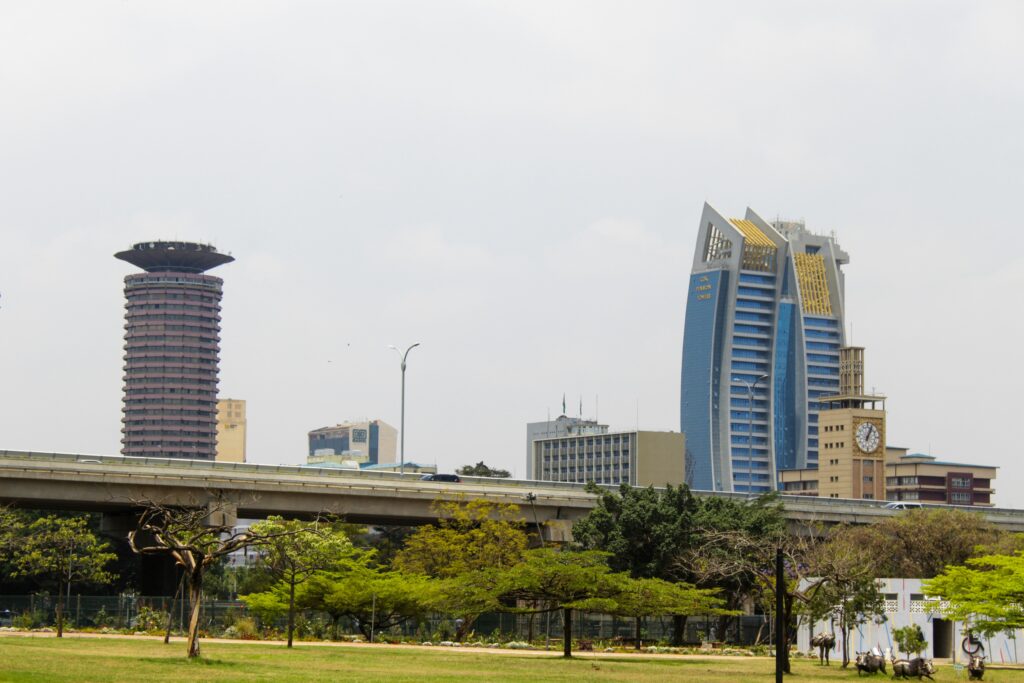
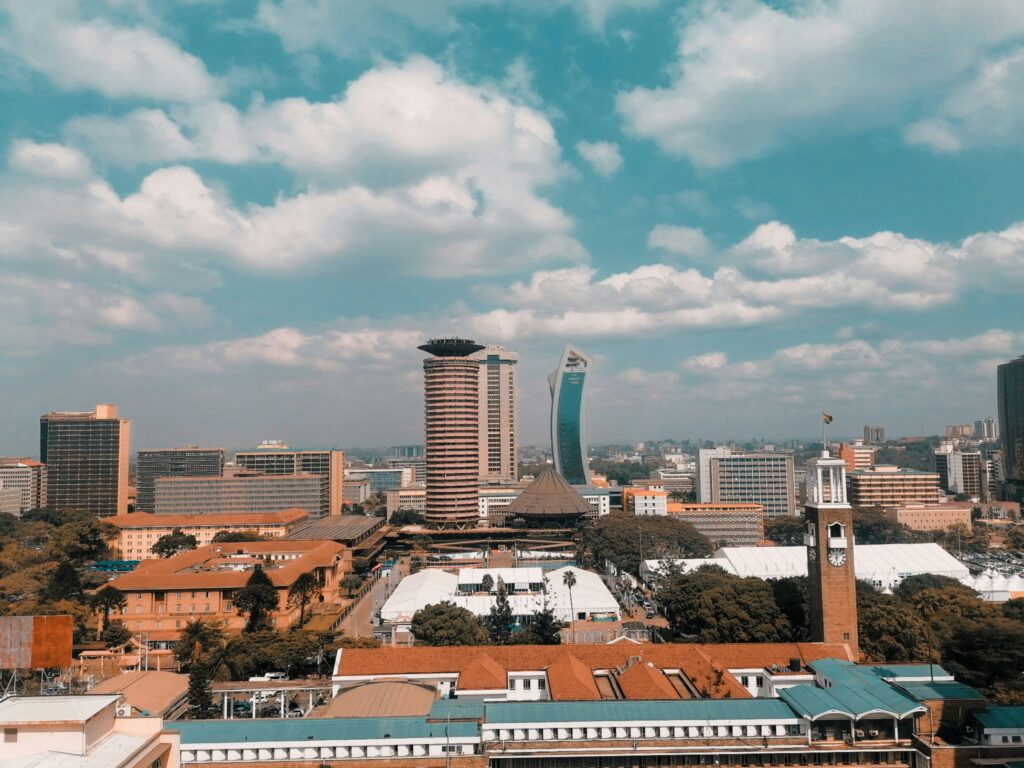
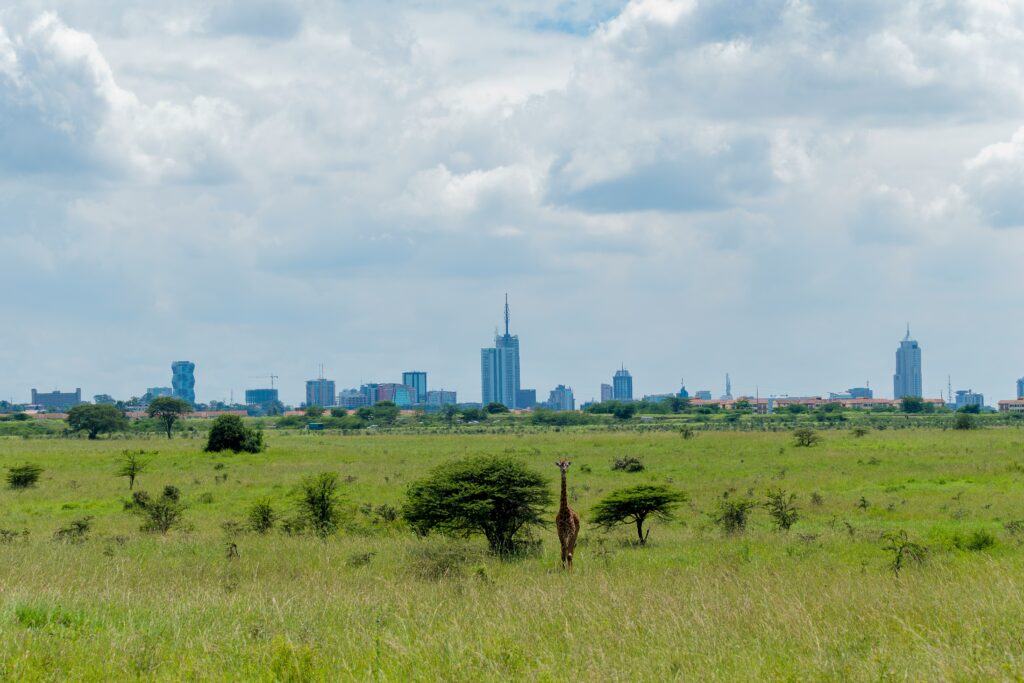
Kenya is a leading agricultural and business hub in East Africa, known for its tea, coffee, flowers, fresh produce, avocados, maize, livestock and growing seed industry. The country is also recognised for agricultural innovation, climate-smart farming and agribusiness. Nairobi, the capital, is a major regional centre for finance, technology, trade, investment and business, while Mombasa Port connects Kenya to regional and international markets. In March, Kenya is generally green and vibrant as the long-rains season begins, making it a fitting setting for agricultural and business events.

 Weather & Climate
Kenya generally enjoys a pleasant and varied climate, with conditions differing across the highlands, coast and other regions. Around March, temperatures are typically warm during the day, while mornings and evenings can be cooler in the highland areas. March also marks the beginning of the long-rains season, with occasional showers across many parts of the country.
- Typical daytime temperatures: approximately 20–30°C, depending on the region
- Mornings and evenings: generally cooler, particularly in the highlands
- Rainfall: March marks the start of the long rains, with showers becoming more frequent as the month progresses
- What to pack: light, comfortable clothing, a light jacket or sweater, and a compact umbrella or rain jacket
Weather can vary considerably between regions, so delegates are encouraged to check the local forecast before travelling.
 Emergency Services
For emergencies in Kenya, the main emergency numbers are:
Police / Emergency: 999 or 112
Delegates should also keep the contact details of their hotel, conference organisers and travel provider readily available.
Currency & Payments
The official currency of Kenya is the Kenyan Shilling (KES).
Major international currencies can be exchanged at banks, licensed foreign-exchange bureaus and selected hotels.
Credit and debit cards are widely accepted at hotels, restaurants, shopping centres and many businesses. Mobile money, particularly M-PESA, is also extensively used in Kenya.
For convenience, international delegates are advised to carry a small amount of Kenyan Shillings for incidental purchases, while cards can be used for most larger transactions.
Currency: Kenyan Shilling (KES / KSh)
Getting Around Nairobi
Kenya has a well-connected transport network, making it possible to travel between major cities and explore different regions of the country.
- Domestic flights: Convenient for travelling between Nairobi, Mombasa and other major destinations.
- SGR to Mombasa: The Standard Gauge Railway (SGR) connects Nairobi and Mombasa, offering a comfortable journey through the Kenyan countryside, with views of villages, farmland and wildlife areas, including Tsavo National Park.
- Road travel: Buses, private vehicles and organised transfers connect towns, cities and tourist destinations across the country.
- Ride-hailing & taxis: Uber, Bolt and registered taxis are widely available in major cities.
- Conference transport: Delegates are encouraged to use official or pre-arranged transport where provided.
 Safety & Practical Tips
Kenya is a popular destination for business travellers, tourists and international conferences, with Nairobi serving as a major regional hub. As with any international destination, delegates are encouraged to take normal safety precautions throughout their stay.
- Keep valuables secure and avoid displaying large amounts of cash.
- Use registered taxis, reputable ride-hailing services or organised transport.
- Keep passports and important travel documents safely stored.
- Follow guidance from your hotel, conference organisers and local authorities.
- When travelling independently, use established transport services and remain aware of your surroundings.
The AFSTA Congress is Sponsored by